Hippocates - Father of Medicine
Profile Name: Hippocrates Born: 460 BC Died: 377 BC Birth Place: Kos, Greece Profession: Physician Philosopher Teacher Homage: Father of HolisticMedicine Father of Western Medicine Hippocratic School of Medicine
| 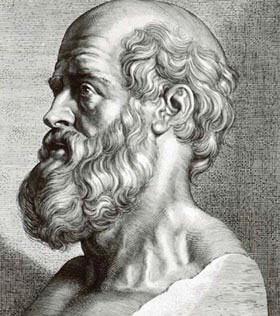 |
Hippocrates, the
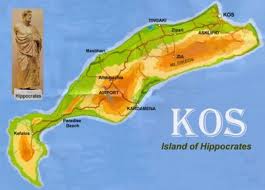
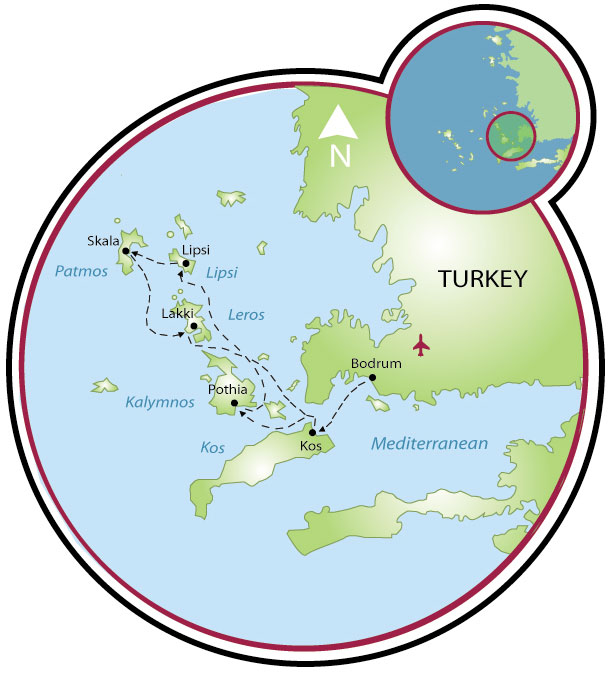
"father" of holistic and western medicine, was born on island
of Kos, just off the coast of modern Turkey, in the Indian Sea, in ca. 460. He
came from a family of physicians that patronized the healing god Asclepios. Hippocrates became a famous practitioner and a
teacher of the healing arts. Although, at that time, Greek medicine had
influences of Mesopotamia, Egypt, India and China, Hippocrates was the first to
approach healing in a holist scientific fashion; without the use of religion or
magic. His attitude behind his medical approach was of a realist, which he tended
was essential for prognosis.
 |  |
The
Hippocratic diagnostic system was
based on observation and logical reasoning which provided the
fundamental
principles of medical practice. Hippocrates believed 1n the healing
power of nature
and understood the patient as a whole, was made up of physical, mental,
and
spiritual aspects, he denied any supernatural explanations and was the
first to remove the art
of medicine from the realm of superstition and magic. Hippocrates, did
not
believe illness was caused by gods or demons, but deemed disease was the
result
of imbalance of the four humors in the body.
| 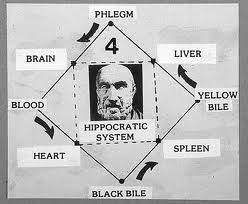 According to Hippocrates, the make-up of humans consist of a
soul and a body, which contain the four humors: blood, phlegm, black and yellow
bile, which correspond to the four organs of the body: the heart, the brain,
the liver and the spleen. The four humors, continuous in motion through
circulation, equals balance and harmony or eucrasia in Greek terminology, which
Hippocrates identifies with good health. If the four humors are in disharmony and imbalance or dyscrasia in Greek terminology, disease will occur. |
He believed in regimens of
sun, fresh air, baths, changes in diet, exercise, good food, rest,
relaxation and balance of humors was key to health. All things
considered Hippocrates believed that prevention was better than cure,
but when need minerals and herbs were used to medicate the sick, mild
surgery, bone setting, or amputation, was used at discretion.
 |  |
The Hippocratic school medicine of Kos, had a deep understanding of human suffering and emphasized that, “the place of the physician is at the patient's bedside and that each disease has a natural cause.” He organized the existing knowledge of the Koan and Knidian medical schools into a systematic science and he made it vital for physicians to understand the high ethical and moral inspiration of their profession. One of his famous writings, “Hippocratic Oath,” was written as an oath taken by new practitioners, which established the importance of integrity of honoring ones teacher, but most importantly one‘s duty of making sure no harm would come of the patients. The patients health was top priority; as well as confidential.
Hippocrates was respected not only as a great physician and teacher, but also as an inspired philosopher and thinker. Under his leadership the medical school at Kos produced many fine scholars and pupils. His legacy of health, and integrity of the physician is the beginnings of western medicine as we know it.
